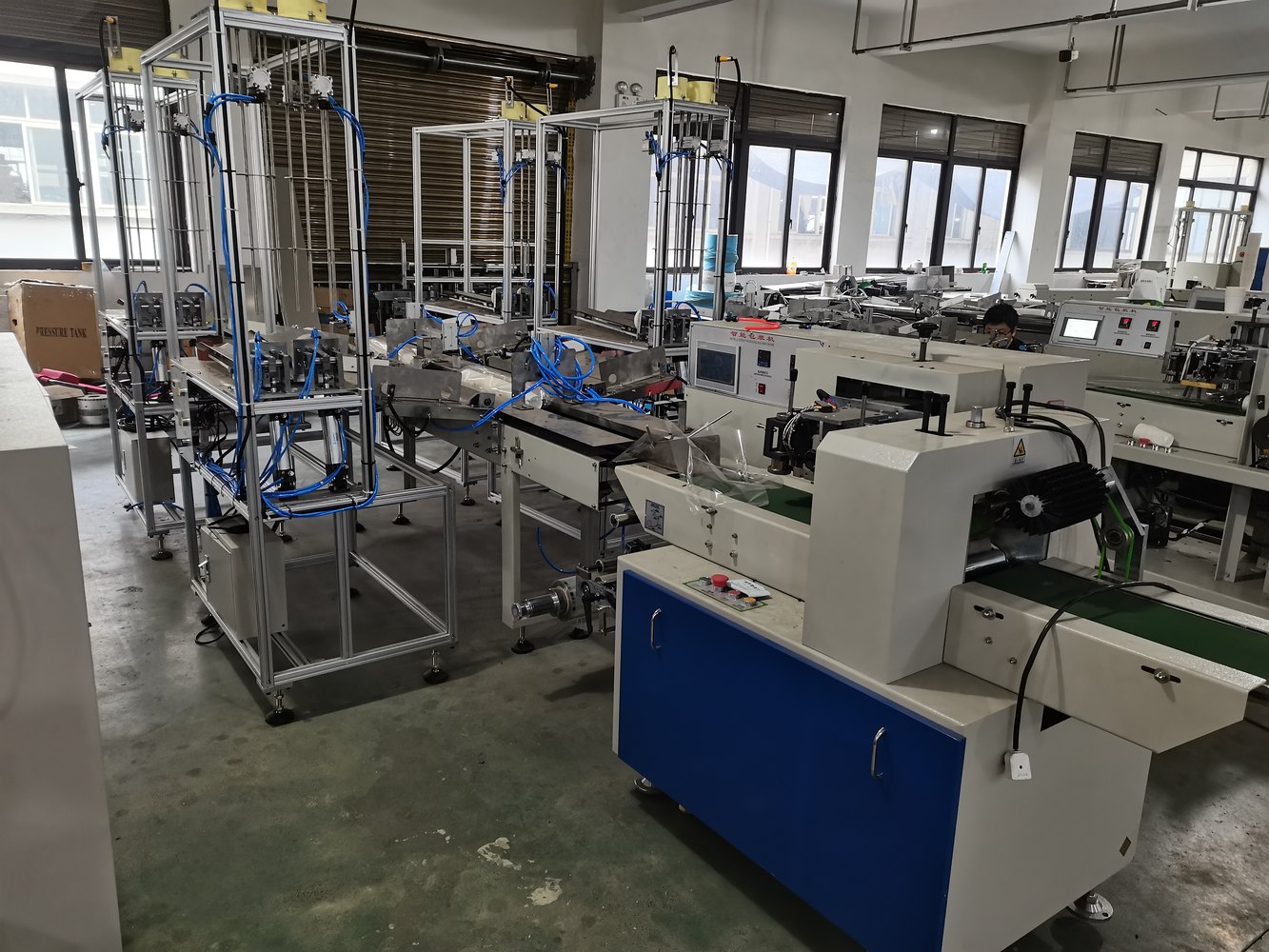
A small paper cup production equipment checklist should define the first products and processes the factory can operate reliably. Buying fewer machines does not remove the need for approved material, inspection, handling and production records. Buying a full line before those requirements are clear can create unnecessary starting complexity.
Build the project around a specific cup and order plan. Separate equipment needed at startup from processes outsourced initially and expansion considered later. That boundary gives the supplier a clearer configuration brief and the buyer a more useful budget.
Identify the starting application
Provide the first cup drawings or samples, intended material and accepted quantity by due date. Confirm whether the product needs an outer wall, lid-fit evaluation or a particular pack format. Keep unresolved customer requirements visible.
Use the machine selection guide to organize the application. Avoid selecting only by nominal cup volume or advertised speed; those do not define the whole production task.
Decide where fans and printing come from
State whether printed cup fans will be purchased or produced in house. Purchased fans reduce the initial upstream equipment scope, but still need supplier, drawing, print and material controls. In-house conversion adds equipment and coordination requirements that should be budgeted explicitly.
The blank die-cutting guide helps compare those responsibilities. Outsourcing a process changes who performs it; it does not eliminate the need to verify that the delivered material matches the cup application.
| Startup scope | Question to resolve | Evidence before purchase |
|---|---|---|
| Finished cup | What exactly will be sold first? | Approved drawing/sample and use requirements |
| Material route | Buy fans or convert them in house? | Supplier/process responsibility |
| Forming | Which application must the machine demonstrate? | Representative trial plan |
| Inspection | How is production released? | Methods and authorized roles |
| Collection/packing | Which tasks remain manual? | Handling and pack-output plan |
| Site/resources | What local work and people are available? | Utilities, layout and task coverage |
Include handling and quality in the equipment plan
Describe how material reaches the forming machine and how accepted cups move into packing. Identify inspection locations, held stock and rejected cups. A machine-only list can omit the workstations and controlled areas necessary to keep the process organized.
Define the finished-pack requirement and the available handling resources. Use the packing-machine guide if packing automation is part of the starting project. Otherwise, retain the manual process and capacity assumptions in the plan.
Verify the site and operating resources
Obtain configuration-specific utility, access and installation information. Have qualified local personnel assess electrical and other site requirements. Do not assume a small project needs little preparation merely because it contains one forming machine.
Assign material handling, operation, inspection, packing and maintenance responsibilities. The manpower planning guide supports task coverage without an invented operator-to-machine ratio.
Keep the budget boundary explicit
Separate equipment and tooling from workshop preparation, delivery, startup material and working capital. Identify current quotations and assumptions. Optional future equipment should not be hidden among required starting items.
The plant-cost planning guide helps build that wider sheet. Avoid a universal startup cost or payback promise; location, process scope, orders and resources differ.
Start with evidence gates
Plan sample approval, factory testing, installation and site acceptance before committing normal orders. Define what must pass at each stage and who closes unresolved items. The first acceptable cup is a useful milestone, but not proof of stable capacity for every shift or product.
Discuss a starting configuration such as the HN-M100 against the actual application. Future sizes or upstream equipment can remain separate review items until demand and operating evidence justify them.
Frequently asked questions
Must a startup install printing and die cutting immediately?
No. Define whether those processes are purchased services or installed equipment, with their verification responsibilities clear.
Is one forming machine the entire starting investment?
No. Consider tooling, utilities, handling, inspection, material and operating resources within the declared project boundary.
Can manual packing be omitted from capacity planning?
No. Completed-output planning includes the process that counts and packs accepted cups, whether manual or automated.
When should expansion be decided?
Use actual order needs and demonstrated operating results, then assess the new application's equipment and resource requirements.
Prepare a starting-project brief
Send the first cup/material references, order plan, available site resources and intended process boundary through the HANNAI inquiry page. Separate startup requirements from later expansion.