Paper cup factory manpower should be planned by production stage and shift responsibility. Machine operators alone cannot cover material, quality, maintenance and packing at every output level.
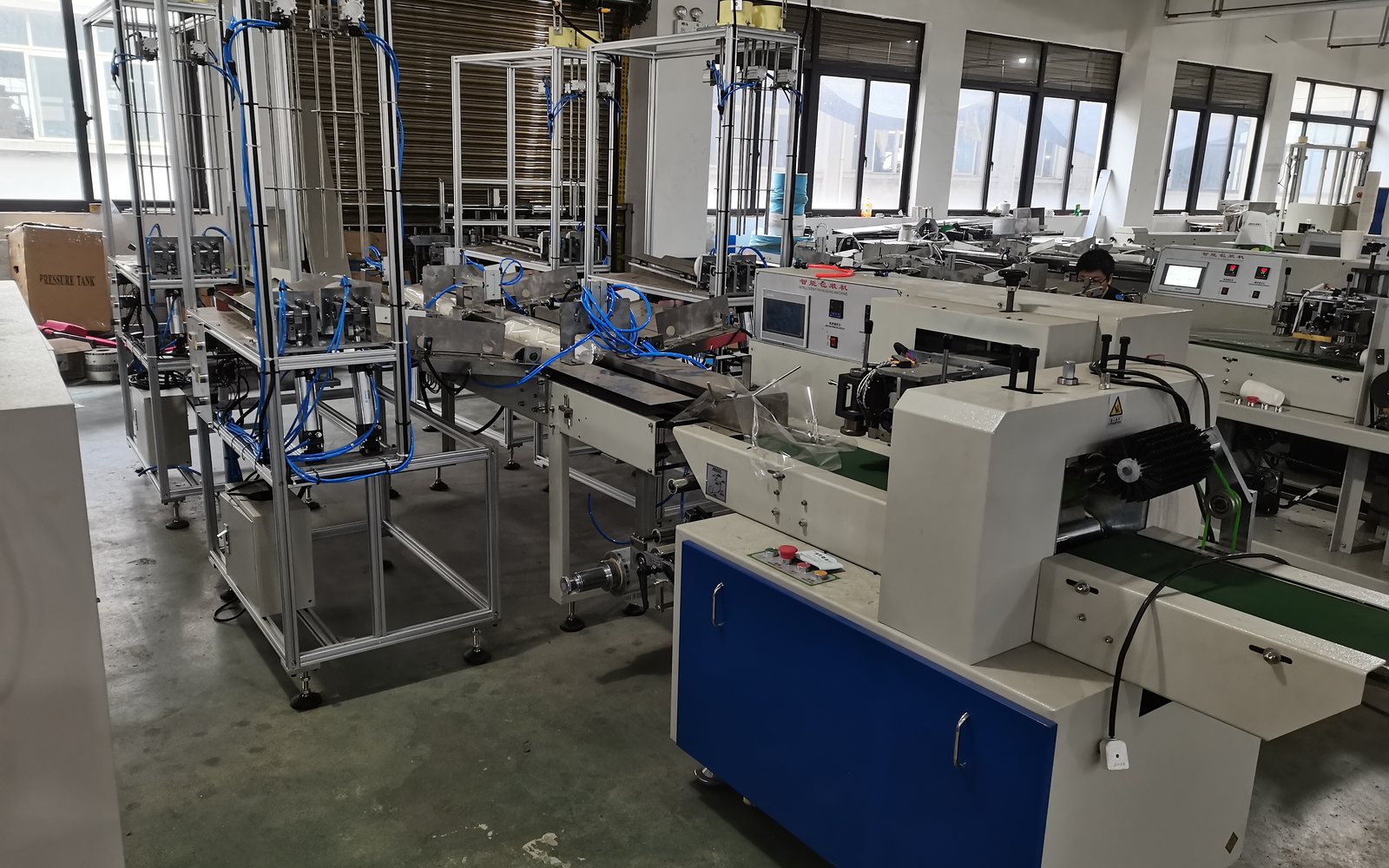
Map the workflow before counting employees
A forming-only factory purchasing printed blanks has a different staffing requirement from a plant that prints, die-cuts, forms and packs cups internally. Begin with a process map showing receiving, material inspection, storage, blank preparation, cup forming, quality checks, packing, finished-goods storage and dispatch.
For each stage, identify the expected workload per shift and whether the task requires a dedicated person or can be combined safely. The paper cup manufacturing plant cost guide helps keep equipment, utilities and working capital connected to the staffing plan.
Define roles and shift responsibilities
| Work area | Typical responsibilities | Planning question |
|---|---|---|
| Material and warehouse | Receiving, identification, storage and line replenishment | Can material reach each process without stopping production? |
| Machine operation | Setup, loading, monitoring, cleaning and first response | How many machines can one trained operator supervise safely? |
| Quality control | Incoming checks, in-process sampling and finished-cup records | Who can stop or release production when a defect is found? |
| Maintenance | Preventive work, fault diagnosis, spare parts and repair records | What response is available on every operating shift? |
| Packing | Counting, sleeving, bagging, boxing and label checks | Can packing keep pace with sellable forming output? |
| Supervision | Schedule, changeovers, output, traceability and handover | Who owns the shift result and unresolved actions? |
Plan staffing from output and workload
Do not use a fixed employee number copied from another factory. Calculate how much material must be moved, how many machines operate, how often sizes change, how many quality samples are required and how many cups must be packed during each hour.
One operator may monitor more than one stable process under suitable conditions, but combining roles should not remove necessary inspection, safety or response coverage. Observe actual work during trial production and adjust staffing from measured cycle times and bottlenecks.
Separate machine operation from material supply
Operators lose production time when they repeatedly leave the machine to search for blanks, bottom paper, cartons or tools. Define material staging quantities, replenishment frequency, batch identification and who moves materials between storage and the production area.
A clear layout reduces unnecessary walking and crossing paths. Use the factory layout and utility planning guide to position storage, machines, inspection and packing around a controlled flow.
Give quality control independent authority
Every shift needs a defined method for checking material, side seam, bottom condition, rim, shape, print appearance and packing. The person performing the check should know the sampling interval, acceptance criteria and escalation route.
If an operator checks their own machine, define additional verification for startup, changeover and repeated defects. Record the material batch, machine, mould, time and action so waste can be traced. The production waste reduction guide provides a practical tracing framework.
Provide maintenance response for every shift
Preventive maintenance can be scheduled, but alarms and quality problems can occur during production. Define which operator checks are allowed, when the machine must stop and who can diagnose electrical, pneumatic or mechanical issues.
Keep maintenance records, lubrication tasks, wear-part checks and critical spare parts organized. A factory running multiple shifts should have a clear handover method so an unresolved condition is not hidden from the next team. Review the maintenance checklist when assigning daily and periodic responsibilities.
Calculate packing labor separately
Forming output is not sellable output until cups are inspected, counted, packed, labeled and moved to storage. Manual packing demand depends on cups per pack, packaging method, carton quantity, label changes and the distance between the machine and packing area.
Measure the time required for the actual customer pack. If packing repeatedly queues finished cups or forces the forming machine to stop, add labor, improve layout or evaluate suitable handling equipment.
Train for roles, not only machine buttons
Training should cover product specifications, material identification, machine startup, normal monitoring, quality checks, cleaning, safe stop, alarm reporting and shift handover. Supervisors need additional training in scheduling, changeover control, records and escalation.
Use the operator training checklist to document who has been trained, which tasks they can perform and what still requires supervision.
Design a clear shift handover
Record the machine and mould in use, material batch, output, waste, quality findings, maintenance actions, remaining materials and the next planned order. The incoming team should review open problems before taking control.
A short structured handover prevents the same fault from being rediscovered on every shift and improves traceability when a customer reports a problem later.
Frequently asked questions
How many workers does a paper cup machine need?
There is no universal number. Staffing depends on machine configuration, material loading, cup inspection, packing method, changeovers, layout and whether one operator can supervise multiple stable processes safely.
Can the machine operator also perform quality checks?
Yes for defined routine checks, but startup, changeover and repeated defects should have clear verification and authority to stop or release production.
Why does packing need a separate labor calculation?
Packing workload depends on the customer pack, counting method, labels, cartons and material movement. It can become the factory bottleneck even when the forming machine runs normally.
When should staffing be reviewed?
Review it after trial production, a new cup or packing format, a speed increase, an additional shift or any repeated queue, quality delay or machine stop caused by missing support.
Send your equipment scope, cup range, shift target, packing format, factory layout and planned processes through our inquiry page. HANNAI can discuss the machine workflow and preparation requirements around the project.