A paper cup machine production ramp-up should move from accepted samples to repeatable shifts using controlled material, trained operators, quality checks and recorded output.
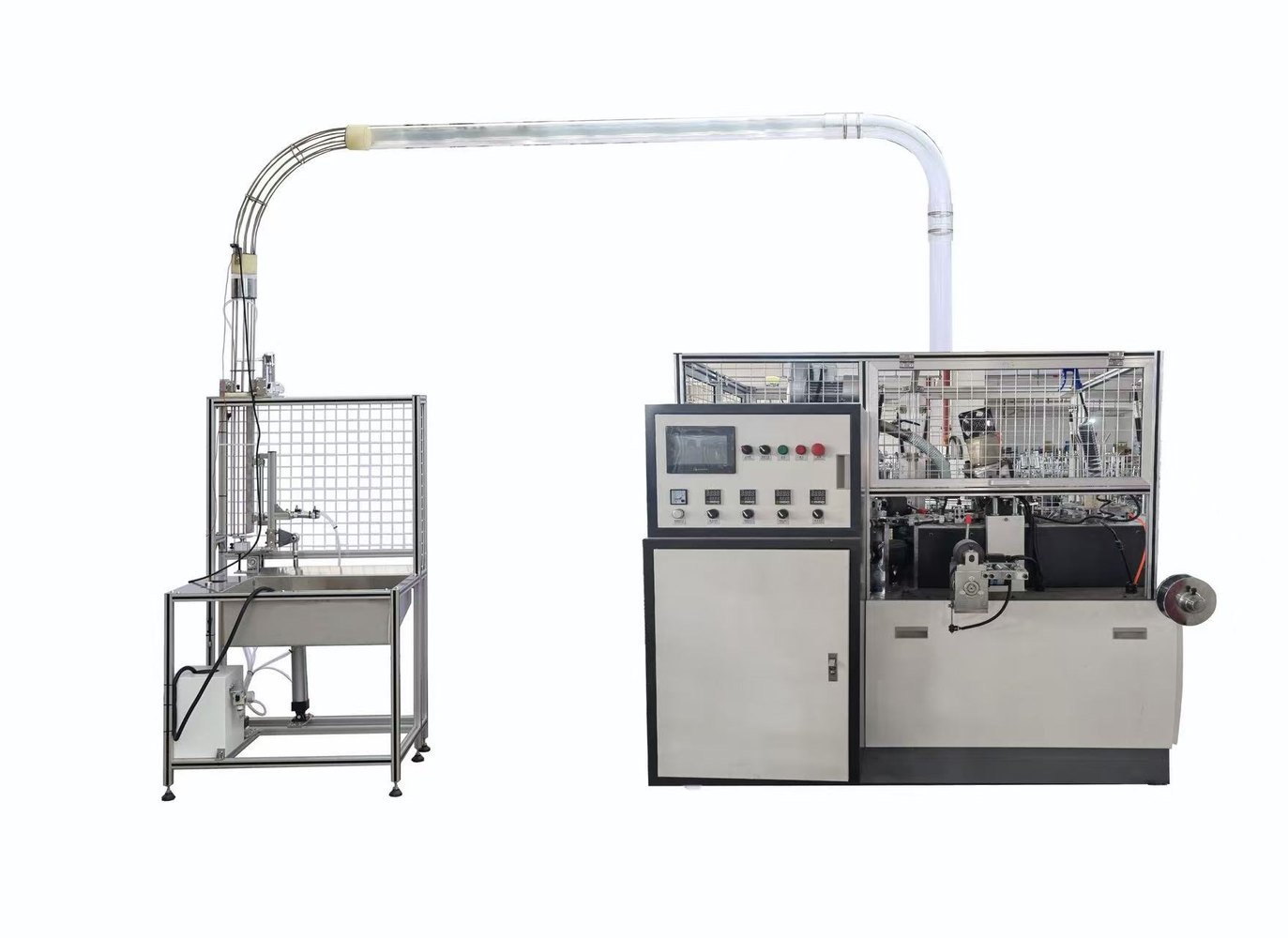
Define what ramp-up must prove
Installation or a successful sample run confirms only part of production readiness. Ramp-up should demonstrate that the factory can repeatedly produce, inspect and pack accepted cups with trained people, available material, stable utilities and controlled maintenance.
Set a release decision for each stage. Do not describe ramp-up as simply running the machine faster every day.
Start from an approved baseline
Confirm the machine and mould identity, accepted cup specification, material and coating, settings record, inspection method, packing requirement and open-action list. Production should use the current approved revision.
The pre-production sample checklist explains how to link product approval to material and machine conditions.
Use staged ramp-up gates
| Ramp-up stage | Main objective | Evidence before release |
|---|---|---|
| Controlled startup | Confirm safe setup, material feed and first accepted cups | Startup checks and approved first piece |
| Short repeatable run | Observe forming, inspection and packing under one SKU | Accepted output, rejects and event record |
| Extended run | Confirm stability across normal operating time | Downtime, quality and maintenance evidence |
| Shift repeatability | Repeat results with trained shift personnel | Comparable records and competency sign-off |
| Planned production | Meet controlled order and packing requirements | Schedule, traceability and release record |
| Additional SKU | Validate changeover and the next approved product | First-good approval and updated baseline |
Launch one priority SKU first
Select a confirmed cup with available approved material, tooling and inspection criteria. Using one priority SKU reduces the number of variables while the team learns the machine, records and escalation process.
Introduce other cup sizes only through a planned changeover and approval. A mixed launch can make it difficult to separate machine, tooling, material and operator effects.
Increase run duration before commitments
A short demonstration can miss heat-related changes, material variation, accumulating dust, packing constraints and operator handover issues. Extend the validated run in controlled stages and review evidence at each gate.
Do not use one peak counter reading as the production baseline. The capacity calculation guide distinguishes theoretical rate from accepted output over scheduled time.
Track accepted output and loss separately
Record machine counter, formed cups, inspected cups, accepted cups and packed cups as separate values. Code setup material, rejects, planned stops and unplanned downtime so the team can see where production is lost.
Use the production record and KPI guide for consistent shift definitions and action ownership.
Control material between ramp stages
Keep cup-fan and bottom-paper batches traceable and record any supplier, coating, print, storage or conditioning change. A new material batch introduced during ramp-up should be visible in the results.
Reserve enough approved material for setup, testing and planned production. Do not combine unknown loose balances to avoid a shortage.
Develop operator competency by task
Confirm that operators can complete safe preparation, material loading, first-piece checks, normal observation, stop and restart, basic cleaning, record entry and fault escalation. Maintenance tasks should remain with the roles authorized by the factory.
Use the operator training checklist to document instruction, supervised practice and competency sign-off.
Include quality and packing capacity
Ramp-up is incomplete when forming output exceeds inspection or packing capacity. Confirm sampling, defect classification, bag and carton availability, label control, packed quantity and finished-goods movement.
Compare formed, accepted and packed balances during the run. Investigate growing work in process instead of treating it as finished production.
Protect planned cleaning and maintenance
Keep required cleaning, lubrication and inspection windows in the ramp schedule. Removing them can create an artificial early output that cannot be repeated safely over longer shifts.
Record dust, wear, fastener, sensor, heating or utility observations according to the machine documentation. Close critical maintenance actions before moving to a longer stage.
Use one open-action register
List the issue, evidence, affected SKU or stage, temporary restriction, owner, due date and verification method. Separate observations from confirmed causes and do not close an item only because the machine restarted.
Prioritize safety, product acceptance and production-stopping items. Lower-priority improvements should remain visible without blocking an unrelated approved run.
Plan shift handover before adding shifts
New shifts need the current production plan, approved material, machine condition, open actions, quality reference and escalation contacts. Compare results under similar conditions before judging one team against another.
Add a shift only when the required trained roles and support coverage are available. Staffing assumptions should match the real line, including inspection and packing.
Release commercial capacity conservatively
Use repeated accepted-output records to set the initial customer commitment. Include planned changeovers, cleaning, maintenance, material availability and packing instead of filling every calendar hour with theoretical production.
Connect the validated baseline to the production scheduling guide. Update the plan when comparable evidence improves, not from an isolated peak.
Frequently asked questions
How long should production ramp-up take?
There is no universal duration. It depends on the cup range, material, machine scope, operator experience, shifts, inspection, packing and open actions.
Should all cup sizes be launched together?
Usually begin with one approved priority SKU, then validate additional cups through controlled changeovers and first-good approval.
Which number should define stable output?
Use repeatable accepted and packed output over defined scheduled time, with quality, downtime and changeover context.
When can the factory increase customer commitments?
Increase them after comparable runs show repeatable accepted output and the material, operators, maintenance, inspection and packing system can support the plan.
Send your priority cup, material, target output, shift plan, inspection and packing scope through our inquiry page. HANNAI can discuss equipment configuration and commissioning information for the project.