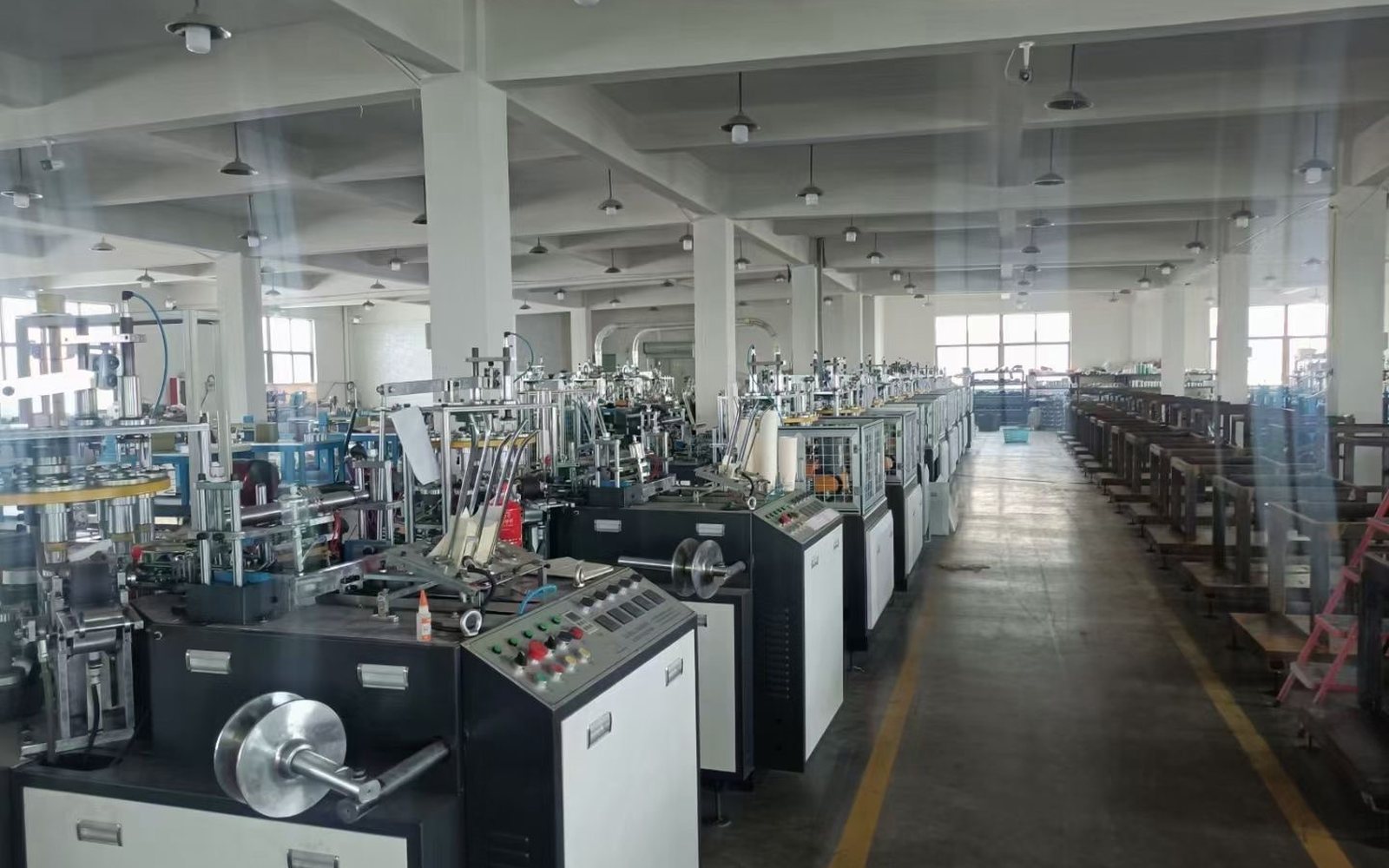
Paper cup machine relocation should be managed as a new equipment project, with condition records, controlled dismantling, destination readiness and documented recommissioning.
Treat relocation as more than transport
A machine that produced accepted cups at the old site still needs controlled installation and release at the new site. Movement can affect alignment, connections, tooling, utilities, cleanliness, stored settings and supporting equipment.
Define the project boundary early: machine, moulds, feeders, discharge, inspection, packing interfaces, spare parts, documents and utilities. A missing support item can delay recommissioning even when the main machine arrives safely.
Confirm responsibilities before shutdown
Name the owner for production closeout, safe isolation, dismantling, lifting, packing, transport, insurance, destination work, installation, commissioning, training and acceptance. Clarify which work requires the manufacturer, a local qualified contractor or the customer’s team.
Do not rely on a general logistics quotation to define technical responsibilities. Record exclusions, interfaces and the escalation contact for damage or missing parts.
Use stage gates for the move
| Stage | Main control | Release evidence |
|---|---|---|
| Survey | Machine scope, route, destination and utilities | Approved relocation plan and responsibilities |
| Baseline | Identity, condition, settings and accepted product | Photos, records and reference samples |
| Dismantling | Safe isolation, labels and parts control | Disconnected-item and open-point register |
| Packing | Protection, restraint, lifting and inventory | Packing list and package condition |
| Destination | Access, layout, foundation and utilities | Site-readiness sign-off |
| Installation | Condition check, placement and reconnection | Installation and safety checks |
| Recommissioning | Controlled startup, sample and run test | Accepted result and open-action list |
Record the operating baseline
Before shutdown, identify the machine, serial or asset number, mould and change parts, current approved cup, material, setup reference, software revision where applicable, utility conditions and unresolved faults. Record accepted output and quality evidence from a comparable run.
Take clear photographs of overall condition, connection points, cable and hose routes, guards, accessories and existing damage when permitted. This baseline helps distinguish pre-existing observations from transport-related changes.
Close production and prepare safely
Finish or identify the current order, remove and disposition materials, complete line clearance, clean using approved methods and preserve the final production record. Follow the planned shutdown and restart checklist for a controlled production closeout.
Qualified personnel should isolate all energy sources and confirm the machine is in the required state for dismantling. Do not begin disconnecting from a control-screen stop alone.
Label every disconnected interface
Use durable matching labels for cables, hoses, sensors, guards, modules and connection points. Protect exposed ends and record items removed from each machine area. Keep fasteners and small parts in identified containers rather than one mixed box.
Back up approved settings and technical records under the company’s access controls. Do not store passwords in labels, photographs or packing documents.
Plan lifting and packing from verified information
Use current supplier documentation for mass, dimensions, lifting points and dismantling requirements. A photograph or a similar machine is not a safe basis for choosing lifting equipment. Qualified lifting and transport providers should plan the method, capacity and route.
Protect vulnerable panels, forming stations, shafts, sensors, tooling and exposed surfaces against shock, vibration, moisture, dust and movement. Record package identity, contents, orientation and condition before dispatch.
Control temporary storage and transport
If the machine will wait between sites, define the storage environment, inspection frequency, access control and preservation requirements. Check packaging after handling events or long storage periods and record any water, impact or tampering evidence.
The shipping and unloading checklist helps buyers prepare access, unloading roles and arrival inspection without inventing universal lifting instructions.
Make the destination ready before dispatch
Confirm route clearances, doorway and floor access, final layout, working space, foundation or floor requirements, ambient conditions, lighting, drainage where relevant and safe operator access. Plan material flow from storage through forming, inspection and packing.
Use the factory layout and utility guide to review placement and interfaces. Delaying civil or utility work until arrival creates unnecessary exposure and waiting time.
Reconfirm utilities instead of copying old assumptions
Verify the new site’s electrical supply, voltage, frequency, phase, protection, grounding, compressed-air condition and any other required service against the machine’s confirmed documentation. The old plug or cable does not prove that the new supply is suitable.
Review the voltage planning guide and air compressor checklist with qualified local specialists. Final connections must follow local requirements.
Inspect before installation
At arrival, compare package count, labels and visible condition with the dispatch record before moving items into position. Photograph and report damaged packaging, corrosion, loose parts, shock indicators or missing items according to the agreed claims process.
Do not discard packing or force damaged components into place before responsibility and technical disposition are recorded.
Install and reconnect systematically
Place, level, align, assemble and reconnect the equipment according to current manufacturer information. Verify guards, cables, hoses, lubrication, tooling, sensors, fasteners, clearances and supporting-machine interfaces through assigned qualified roles.
Close each dismantling record against the rebuilt machine. Unexplained spare fasteners or unmatched labels are reasons to stop and investigate.
Recommission through controlled acceptance
Complete safety, utility and dry checks before introducing material where the approved procedure requires them. Start with one confirmed cup, mould, material and inspection plan. Approve the first-good sample, then extend the run to observe stable forming, quality and packing.
Use the site acceptance test checklist to define evidence, deviations and sign-off. Relocation is complete only when open actions, documents and training responsibilities are clear.
Rebuild capacity with evidence
Do not promise the previous site’s full schedule immediately. Compare accepted output, rejects, downtime and utility behavior under similar conditions, then increase production commitments through controlled stages.
The production ramp-up guide explains how to move from first acceptance to repeatable shifts.
Frequently asked questions
Can a paper cup machine be moved without manufacturer support?
It depends on the machine, documentation, warranty, move scope and local capability. Confirm responsibilities with the supplier and qualified contractors before dismantling.
What should be recorded before dismantling?
Record machine identity, condition, connections, tooling, approved setup, utilities, accepted production evidence, accessories and existing faults.
Can the previous factory utility settings be reused?
Do not assume so. Verify every new supply and connection against confirmed machine requirements and applicable local rules.
When is recommissioning complete?
It is complete after required checks, accepted samples and defined run tests pass, documents and training are available, and remaining actions have owners and due dates.
Send the machine model, current location, destination, cup range, utilities, transport scope and target schedule through our inquiry page. HANNAI can discuss configuration and project-support information.