Selected machine, quotation, acceptance and production knowledge for buyers turning a cup requirement into a workable project.
Engineering Note
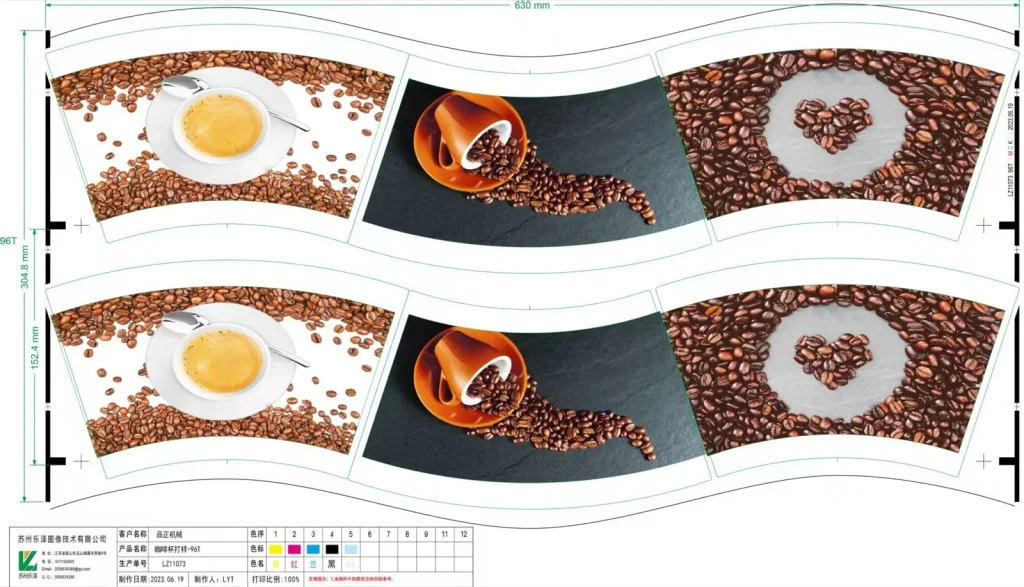
Investigate paper cup blank blocking with controlled stack-separation comparisons before increasing vacuum or changing feed timing on the forming machine.
Read note
Engineering Note
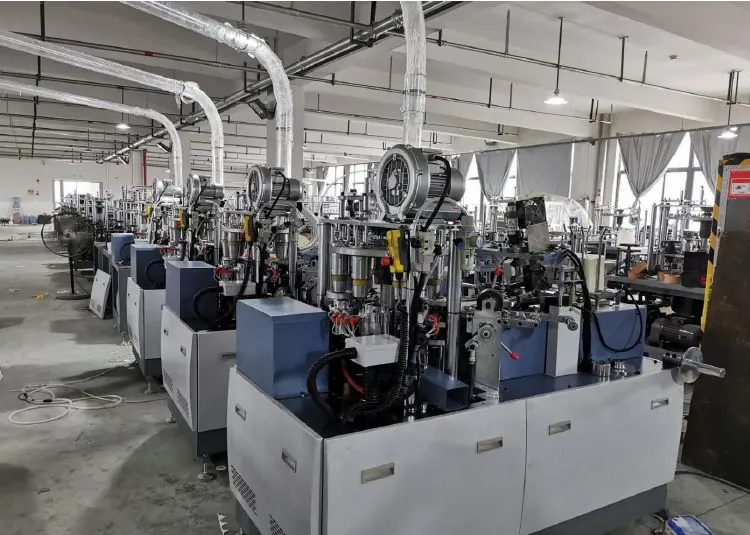
Verify paper cup air pressure dew point at a defined sampling location. Record pressure, dryer load and line conditions before judging compressed-air dryness.
Read note
Engineering Note
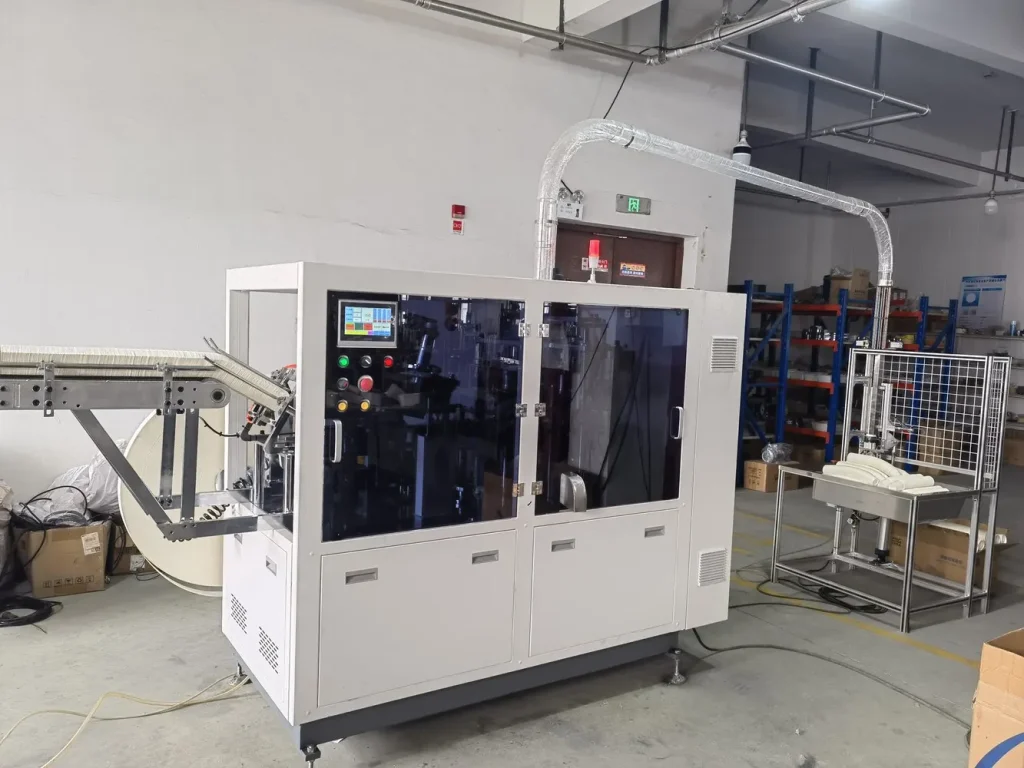
Analyze paper cup machine restart rejects by separating cold starts, short stops and material interruptions, then verifying the recovery point for good output.
Read note
Engineering Note
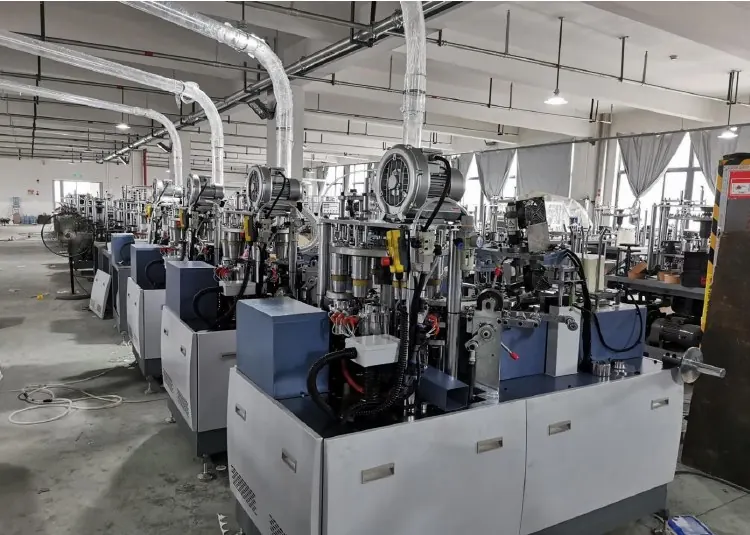
Trace paper cup forming position defects with verified pocket identity and comparable inspection counts before changing a shared machine setting.
Read note
Engineering Note
Use paper cup leak test timing and location maps to separate early seal leaks from delayed wetting. Standardize filling, observation and sample records.
Read note
Engineering Note
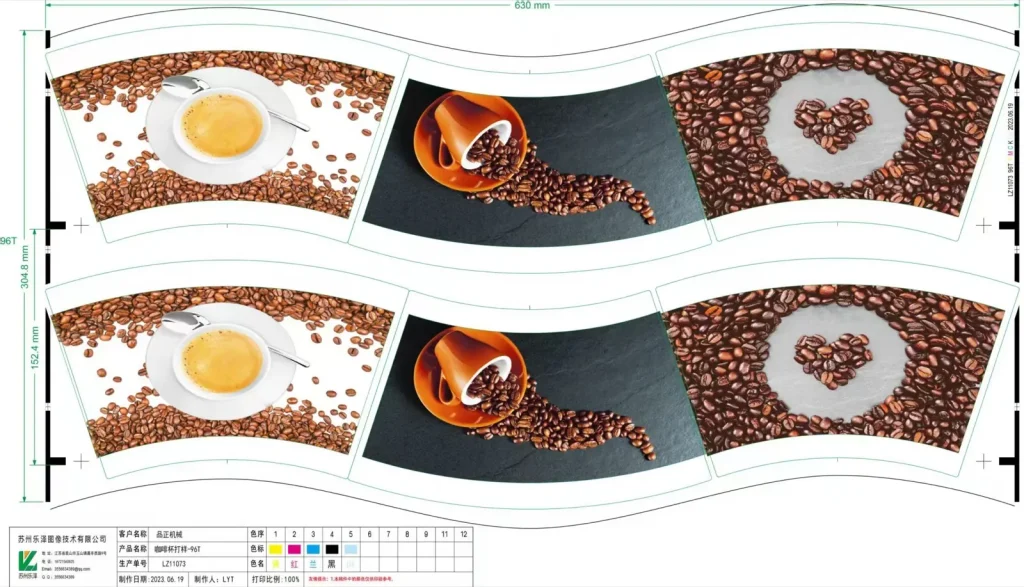
Evaluate paper cup blank grain direction using matched forming trials. Record stock orientation, feeding, seam recovery and rim behavior before approval.
Read note
Engineering Note
Check paper cup measurement repeatability before adjusting tooling. Separate operator technique, gauge contact and real dimensional variation with a study.
Read note
Engineering Note
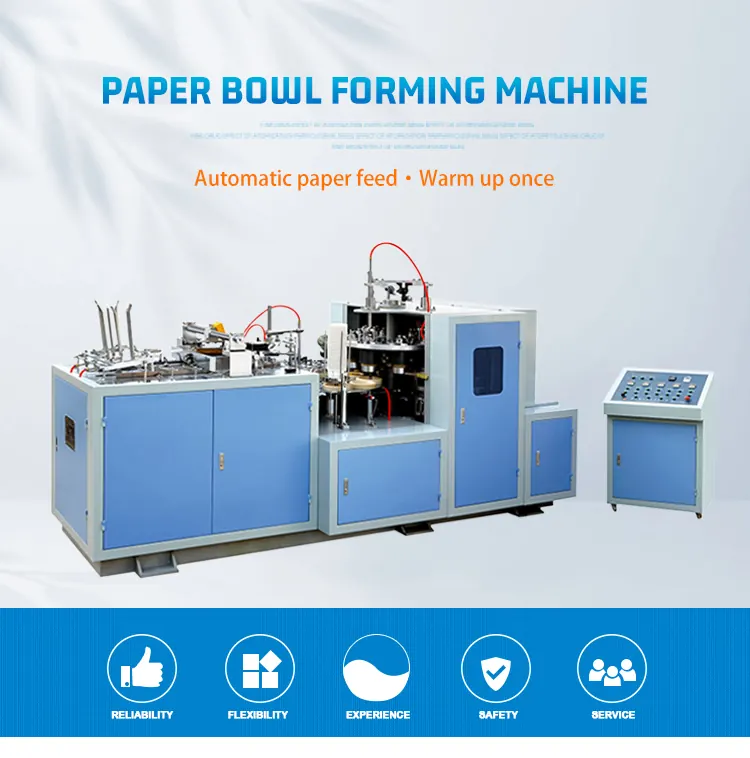
Investigate a paper bowl rim microcrack by mapping its location, comparing forming stages and separating visual fibre damage from verified barrier performance.
Read note
Engineering Note
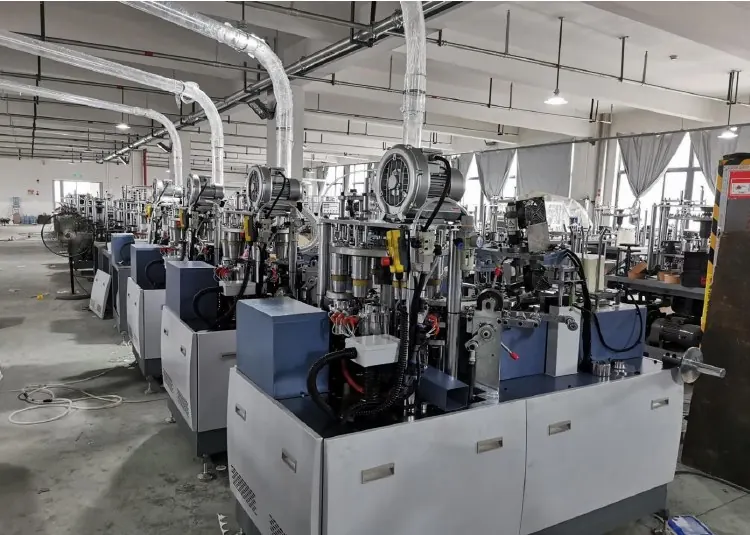
Trace a double-wall cup sleeve seam step through blank geometry, feed skew and wrapping position before adjusting adhesive application or sleeve fit.
Read note